For months, WWE’s creative direction felt like it was drifting without a map. Weekly television oscillated between mildly entertaining and outright frustrating. Major storylines stalled out before they could build momentum. And Cody Rhodes’ title reign lacked the kind of defining rivalry that gives a championship its weight.
Then Randy Orton turned on him.
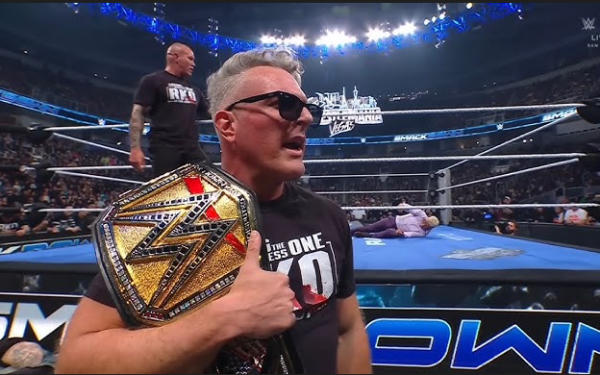
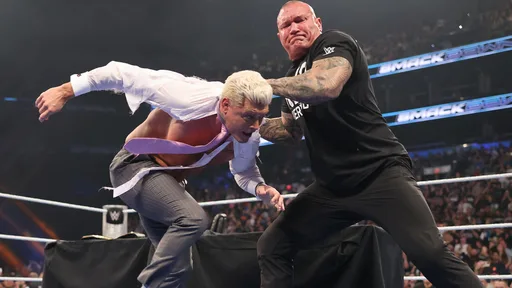
The attack was sudden, vicious, and deeply personal. Orton didn’t simply betray Cody — he dismantled him. Left him bleeding in the ring. In one segment, the stakes for WrestleMania season finally felt real. And it exposed a truth that had been simmering for months: WWE badly mishandled Cody Rhodes’ title reign. The Orton heel turn doesn’t just create a compelling feud. It highlights how much stronger the championship picture could have been all along.
When Cody won the Undisputed Championship, it was supposed to mark the beginning of a defining era. The heroic centerpiece of the company. A story built around finishing what his father started and reclaiming a legacy that always felt just out of reach. The problem with crowning a heroic champion is a simple one: heroes need villains. And WWE never gave Cody one.
The months following his victory were filled with challengers who felt like temporary obstacles rather than meaningful rivals. Good matches. Decent promos. Nothing that ever reached the intensity required for a world championship story. None of Cody’s challengers felt dangerous enough. They didn’t feel like they could break him mentally or physically. The title reign began to feel strangely flat.
That’s not on Cody. He consistently delivered strong performances and main-event quality work throughout. The issue was everything around him. Great champions are defined by the rivals who challenge them. Until now, Cody didn’t have one.
Orton changes that instantly. Professional wrestling thrives on emotional shortcuts, and history is the most powerful one. Orton and Cody have that history — Legacy, mentorship, hierarchy, the dynamic of an established star and the young prospect learning under him. Those relationships never fully disappear. So when Orton turned on Cody, it didn’t feel like a random storyline twist. It felt like buried tension finally exploding to the surface. The best rivalries feel inevitable. And Orton attacking Cody feels inevitable.
There may not be a better heel on the roster for this story right now. Orton brings immediate credibility — there’s no question about whether he belongs in a title feud. But more importantly, he brings psychological menace. His violence feels deliberate, personal, surgical. When Orton attacks someone it doesn’t feel like chaos. It feels like a predator choosing his moment. That quality is uniquely suited to challenge a character like Cody Rhodes, whose persona is built around resilience, honor, and emotional vulnerability. Orton’s character exists to destroy exactly that kind of hero.
The image of Cody bleeding after the attack changed the tone of this rivalry immediately. Blood in wrestling still carries symbolic weight. It signals that the conflict has crossed into dangerous territory. It tells the audience these characters are willing to hurt each other, not just outmaneuver each other. For months Cody’s reign lacked that sense of danger. Orton’s attack fixed that in seconds.
The biggest frustration is timing. This feud should have been building for months. If WWE had slowly planted seeds of Orton’s resentment throughout the title reign — small moments of tension, subtle reminders of their shared history, occasional hints that Orton believed Cody had surpassed him — the betrayal could have felt like the inevitable climax of a long-developing story. Instead, WWE drifted through forgettable programs before landing on the obvious answer.
That lost time matters. But the Orton turn proves something important: sometimes the right story can still work even when it starts late.
The ingredients for a great feud are here. The characters have history. The motivations are believable. The conflict feels personal. Both performers understand how to tell a story inside and outside the ring. Orton’s methodical pacing and psychological manipulation pair perfectly with Cody’s dramatic storytelling style. WrestleMania doesn’t just need good matches — it needs rivalries that feel significant enough to define the year ahead.
Randy Orton’s heel turn might have just given WWE exactly that.
It’s late. But it might not be too late.